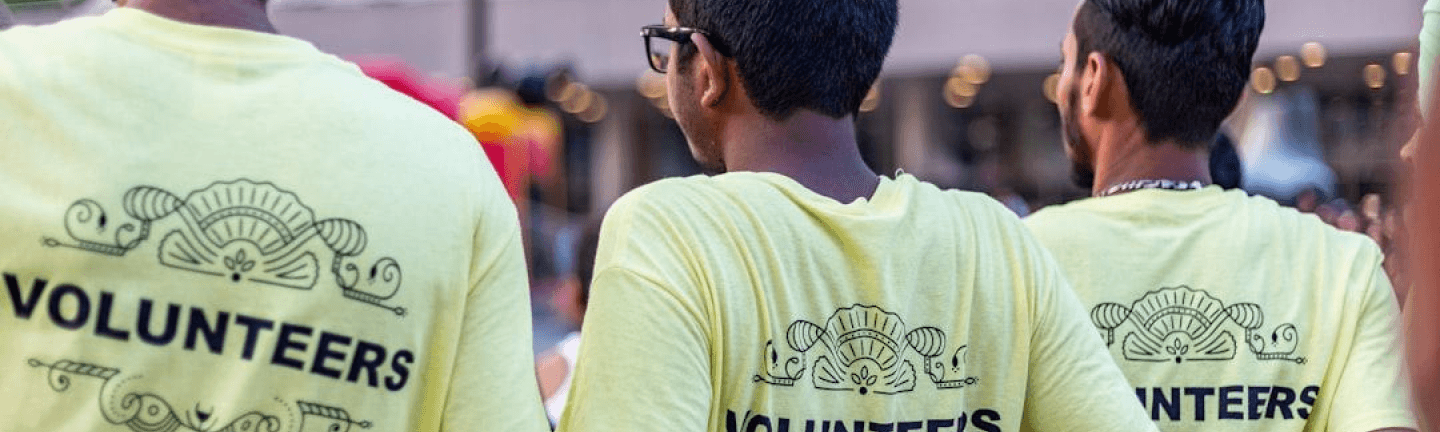
How our vocational training programs are equipping young people with the skills they need to build successful careers and support their families.
I have seen how skills can change a person’s life completely. When I talk about economic empowerment in places like Skardu and Gilgit Baltistan, I do not only talk about jobs. I talk about dignity, independence, and long term stability. You may think education alone solves everything, but I believe skills training plays an equally important role.
In many communities, people want to work and earn, but they lack practical skills. Without skills, opportunities remain limited. This gap creates unemployment and financial struggle. Through this article, I will explain how skills training builds sustainable futures in Skardu. I will also share real stories and insights that show how the Bashar Falahi Foundation supports economic empowerment.
Understanding Economic Empowerment Through Skills
When I use the term economic empowerment, I refer to the ability of individuals to earn income, support their families, and improve their living conditions. Skills training helps people achieve this goal.
You might notice that traditional education focuses on theory. Skills training focuses on practical work. It prepares individuals for real life jobs and businesses.
In Skardu, many people depend on seasonal work. This type of income does not provide stability. Skills training creates new opportunities that remain available throughout the year.
I have observed that when people learn skills, they gain confidence. They start believing in their abilities. This mindset plays a key role in long term success.
Why Skills Training Matters in Skardu
When I look at Skardu, I see strong potential but limited opportunities. The region has talent, but many individuals do not get the chance to develop it.
You may find young people who complete basic education but cannot find jobs. This situation leads to frustration and financial pressure.
Skills training addresses this issue. It provides practical knowledge that matches market needs. It prepares individuals for employment and entrepreneurship.
In Gilgit Baltistan, skills like tailoring, carpentry, electrical work, digital skills, and handicrafts can create income opportunities. These skills do not require large investments but can generate steady income.
Role of Bashar Falahi Foundation in Skills Development
I have closely observed the work of the Bashar Falahi Foundation in Skardu. The foundation does not only support education and healthcare. It also focuses on skills training for economic empowerment.
The foundation identifies individuals who need support. It provides training programs that match local needs. These programs help people learn practical skills.
I have seen how the foundation supports youth, women, and people with disabilities. It ensures that everyone gets equal opportunities.
The goal remains clear. The foundation wants to help people become self-sufficient.
Breaking the Cycle of Poverty Through Skills
You may ask how skills training reduces poverty. I see a direct connection.
When individuals learn skills, they start earning. This income supports families. It improves living standards.
In Skardu, many families struggle with limited income sources. Skills training creates new earning options. It reduces dependency on seasonal work.
I have seen families where one trained individual supports multiple members. This change creates a long term impact.
Success Story 1 A Young Woman Builds Her Own Business
I remember meeting a young woman named Shazia. She lived in a small village near Skardu. Her family faced financial difficulties. She wanted to support her household but lacked skills.
Bashar Falahi Foundation enrolled her in a tailoring training program. She learned stitching, design, and basic business skills.
After completing the training, she started working from home. She began taking small orders from her community.
Over time, her work improved. Her customer base grew. Today, she runs a small tailoring business.
When I spoke with her, she said she felt independent for the first time. She contributes to her family income and plans to expand her business.
Success Story 2 A Young Man Learns Technical Skills
I also met a young man named Bilal. He completed his basic education but could not find a job. He spent most of his time without direction.
Bashar Falahi Foundation provided him with training in electrical work. He learned installation, repair, and maintenance skills.
After completing his training, he started working in his local area. People began to trust his work. He earned a steady income.
Today, Bilal supports his family. He also trains other young individuals.
His journey shows how skills training can create both employment and community growth.
Success Story 3 Empowering a Person with Disability
I strongly believe skills training should include everyone. I met a young man named Imran who had a physical disability.
He struggled to find work because of his condition. Many employers ignored him.
Bashar Falahi Foundation supported him through a digital skills training program. He learned basic computer skills and online work.
After training, he started freelancing. He worked from home and earned income.
When I spoke with him, he said he finally felt capable. His disability no longer limited his potential.
This story shows how inclusive training creates equal opportunities.
Importance of Women Empowerment Through Skills
I want to focus on women empowerment in Skardu. Many women have talent but lack opportunities.
Cultural and financial barriers often limit their participation in the workforce. Skills training helps break these barriers.
When women learn skills, they start earning from home or small businesses. This income supports families and improves confidence.
Bashar Falahi Foundation actively supports women through training programs. It encourages them to become financially independent.
I believe empowering women strengthens entire communities.
Linking Skills Training with Local Economy
I have observed that skills training works best when it matches local needs.
In Skardu, tourism, handicrafts, and small businesses offer opportunities. Training programs should align with these sectors.
For example, handicrafts can attract tourists. Technical skills can support local services. Digital skills can connect individuals with global markets.
This approach ensures sustainable income.
Challenges in Skills Development
Despite progress, I must admit that challenges still exist.
Some people lack access to training centers. Funding limits the number of participants. Awareness about skills programs remains low in some areas.
Social attitudes sometimes discourage women and people with disabilities from participating.
However, organizations like the Bashar Falahi Foundation continue to address these challenges.
Role of Community Support
I believe community support plays a key role in skills development.
When communities encourage training, participation increases. When families support individuals, success becomes easier.
Bashar Falahi Foundation works closely with local communities. It builds trust and promotes participation.
This approach creates a long term impact.
How You Can Support Skills Training Programs
You may wonder how you can contribute to economic empowerment in Skardu.
You can support training programs through donations. You can sponsor individuals. You can provide resources or mentorship.
You can also spread awareness. Encourage others to support such initiatives.
Your support can help someone build a better future.
Future Vision for Skills Development in Skardu
I see a strong future for skills development in Skardu. I believe more people will gain access to training programs.
Bashar Falahi Foundation aims to expand its initiatives. It wants to reach more youth, women, and people with disabilities.
The foundation plans to introduce new skills based on market demand. This approach will increase employment opportunities.
This vision can transform the region.
Why Skills Training Matters for Sustainable Futures
When I reflect on skills training, I see its long term value. It does not provide temporary relief. It creates sustainable solutions.
People gain the ability to earn. They build confidence. They contribute to society.
This impact lasts for generations.
Conclusion
When I think about economic empowerment in Skardu, I see both challenges and opportunities. Skills training provides a powerful solution.
Bashar Falahi Foundation continues to support individuals through practical training programs. It helps people build careers, support families, and improve their lives.
I believe skills training is essential for sustainable development. It creates independence and stability.
If you care about economic growth, community development, and social impact in Gilgit Baltistan, you should support skills training initiatives.
Together, we can build a future where every individual in Skardu has the opportunity to learn, earn, and succeed.